Vitamin K1, also known as Phytonadione, is honestly a pretty important nutrient when it comes to our health. It’s crucial for things like blood clotting and keeping our bones strong. If you ask me, getting enough Vitamin K1 can really make a difference in how you feel overall. The folks at the National Institutes of Health mention that this vitamin helps the body produce proteins that are key for blood coagulation—that’s pretty significant stuff.
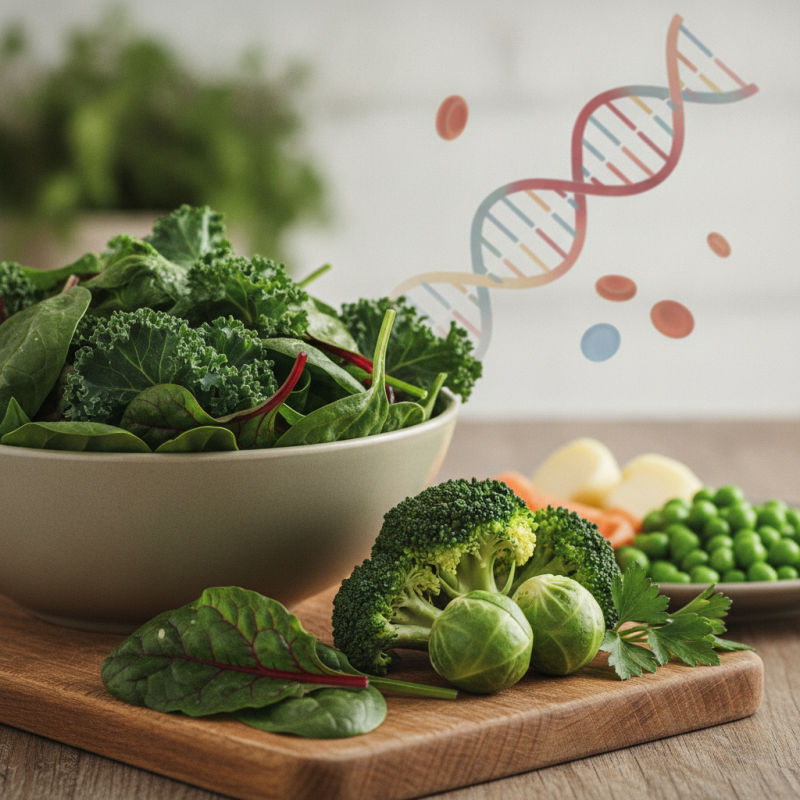
One simple way to bump up your intake is by eating foods rich in Vitamin K1, like leafy greens—spiNACh, kale, maybe even broccoli. And interestingly, the World Health Organization points out that eating a balanced diet with enough Vitamin K1 isn’t just good for you—it could actually help lower your risk for some health issues. It’s kind of crazy how something like this can have such a big impact!
That said, surprisingly, a lot of people don’t really know much about Vitamin K1 or how it benefits us. I came across a survey from the Nutrition Journal that said only about 10% of folks even knew where to find it or what it does. That’s a huge gap in awareness, and honestly, it’s an opportunity for us to spread the word. More education and making people aware of simple ways to include enough Vitamin K1 in their diets could really boost overall health for plenty of folks out there.
What is Vitamin K1 Phytonadione?
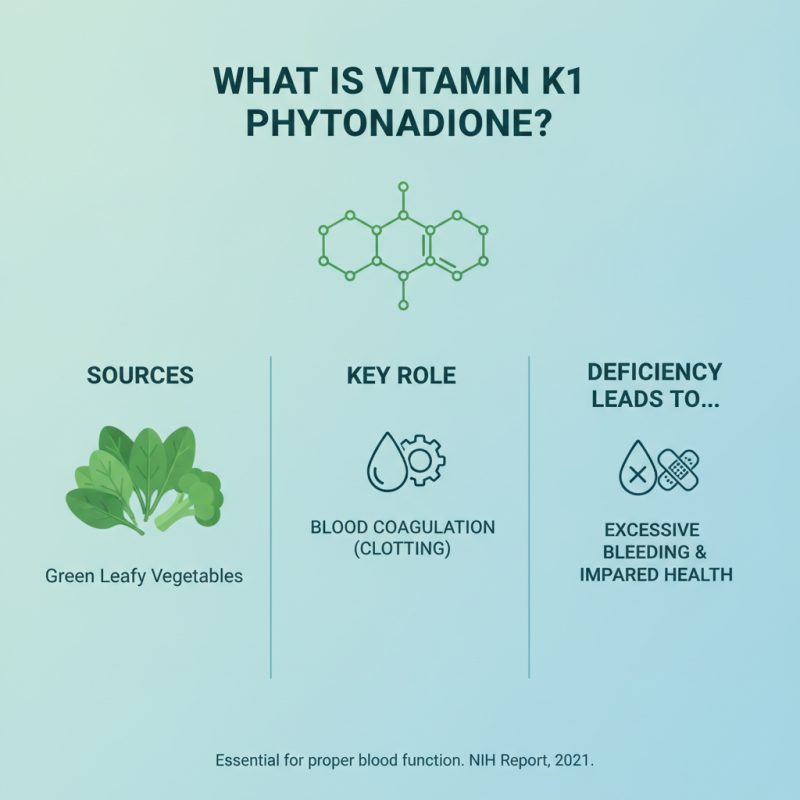
Vitamin K1 Phytonadione is a vital nutrient primarily found in green leafy vegetables. This fat-soluble vitamin plays a crucial role in blood coagulation. According to a 2021 report by the National Institutes of Health, adequate intake of Vitamin K1 is essential for maintaining proper blood function. Deficiency in this vitamin can lead to excessive bleeding and frayed health.
This nutrient supports bone health as well. Studies indicate that Vitamin K1 Phytonadione helps enhance bone mineralization. A research published in the Journal of Bone and Mineral Research highlights that regular consumption can be linked to improved bone density. This benefit is significant, especially for older adults vulnerable to osteoporosis.
Tips: Incorporate leafy greens into your diet. Foods like spinach and kale are excellent sources. Consider consulting a healthcare provider before making major dietary changes. Remember, while getting nutrients from food is ideal, some individuals might need supplements, especially if their diet lacks greens. Balancing nutrient intake requires mindful eating habits and a willingness to adapt.
Chemical Structure and Sources of Vitamin K1
Vitamin K1, scientifically known as Phytonadione, plays a crucial role in human health. It belongs to the vitamin K family, which is essential for blood clotting and bone metabolism. The chemical structure of Phytonadione comprises a naphthoquinone ring, which allows it to interact with proteins responsible for coagulation. This specific arrangement makes it vital for preventing excessive bleeding.
Sources of Vitamin K1 are plentiful and primarily plant-based. Leafy greens like kale, spinach, and broccoli are excellent sources. Other vegetables, such as Brussels sprouts and cabbage, also contain significant amounts of this vitamin. Interestingly, the body converts some of the Vitamin K1 ingested from food into Vitamin K2, supporting further health benefits. However, the intake of Vitamin K1 can sometimes be overlooked in diets, leading to potential deficiencies.
Incorporating adequate amounts of Phytonadione into daily meals is essential for maintaining overall wellbeing. These nutrients contribute to optimal cardiovascular and skeletal health. While many understand the significance of macronutrients, micronutrients like Vitamin K1 often receive less attention. Reflecting on dietary choices can lead to improved nutritional outcomes and better health.
Functions of Vitamin K1 in the Human Body
Vitamin K1, also known as phytonadione, plays a vital role in human health. It is predominantly found in green leafy vegetables, such as spinach and kale. This vitamin is essential for blood clotting, which is crucial in preventing excessive bleeding. Without adequate Vitamin K1, the body may struggle to produce proteins that help control bleeding, resulting in serious health risks.
Aside from its role in clotting, Vitamin K1 contributes to bone health. Research indicates that K1 helps in calcium utilization within bones, supporting bone density and strength. A deficiency could potentially lead to osteoporosis over time. Additionally, there is emerging evidence suggesting that Vitamin K1 may have a role in cardiovascular health by helping to prevent arterial calcification.
Tips: Aim to include Vitamin K1-rich foods in your daily diet. Some examples are broccoli, Brussels sprouts, and lettuce. If you're considering supplements, consult a healthcare professional to determine the right dosage. Remember to be mindful, as excessive intake may lead to interactions with certain medications. Prioritize a balanced diet to achieve optimal health benefits.
Vitamin K1 (Phytonadione) Benefits for Health
Health Benefits of Vitamin K1 Consumption
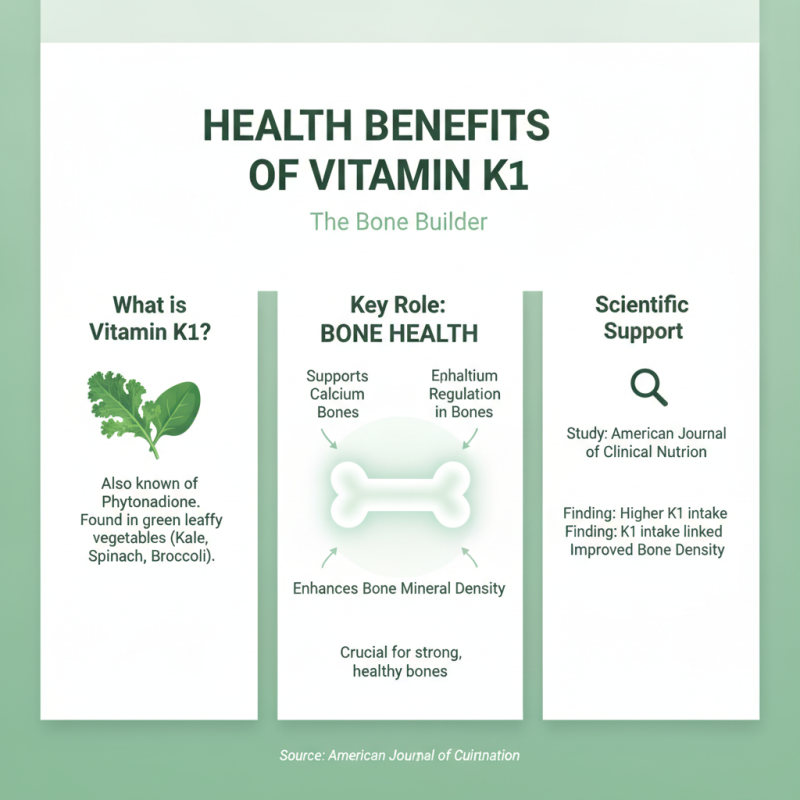
Vitamin K1, also known as phytonadione, plays a crucial role in our health. This vitamin is primarily found in green leafy vegetables like kale and spinach. Research shows that adequate intake of Vitamin K1 supports bone health. It helps in calcium regulation in bones. A study published in the American Journal of Clinical Nutrition found that higher Vitamin K1 intake is associated with improved bone mineral density.
Moreover, Vitamin K1 significantly impacts cardiovascular health. It assists in reducing arterial stiffness, which is vital for maintaining healthy blood pressure levels. The Framingham Heart Study revealed that individuals with higher levels of Vitamin K1 had a lower risk of heart disease. While the benefits are clear, many people still do not meet the recommended intake of this essential nutrient. This gap highlights the need for greater awareness and dietary inclusion of Vitamin K1-rich foods.
Incorporating Vitamin K1 into your diet may not be as straightforward as it seems. Some individuals may struggle with the taste of leafy greens. Others may face dietary restrictions that limit their access to these foods. Engaging with nutritionists might help individuals navigate these challenges better. Adapting recipes to include more greens could also make improvement easier. Understanding the importance of Vitamin K1 is the first step toward better health management.
Recommended Dietary Intake of Vitamin K1
Vitamin K1, also known as phytonadione, plays a crucial role in our health. It helps the body with blood clotting and maintaining bone health. When considering dietary intake, it is important to understand how much Vitamin K1 we need. For most adults, the recommended daily intake ranges between 90 to 120 micrograms. This can vary based on individual health needs and dietary sources.
Green leafy vegetables are rich in Vitamin K1. For example, kale, spinach, and broccoli provide excellent sources. Including these in meals can help achieve the desired intake. However, many people struggle to consume enough. Fast food and processed meals often lack these nutrients. It's something worth reflecting on, especially as dietary habits shift.
While focusing on Vitamin K1, it's pertinent to note the importance of other vitamins, like Ascorbate Vitamin C Powder. Combining these nutrients aids overall health. Balancing your diet can be challenging. Finding the right foods that offer both Vitamin K1 and Vitamin C can enhance the body's functions. A varied diet is key to meeting nutritional goals.
Potential Deficiencies and Symptoms of Vitamin K1
Vitamin K1, also known as phytonadione, plays a crucial role in blood clotting and bone health. Despite its importance, many individuals might not meet their daily requirements. Data from the National Institutes of Health indicates that adults need around 90 to 120 micrograms of vitamin K1 per day. Deficiencies can arise from a diet low in green leafy vegetables.
Symptoms of vitamin K1 deficiency can be subtle. Common signs include easy bruising and prolonged bleeding from cuts. In severe cases, it can lead to more serious health issues, such as reduced bone mineral density. A study published in the Journal of Bone and Mineral Research showed that inadequate vitamin K intake is linked to higher fracture risk in older adults. This suggests the need to monitor levels closely, especially in populations at risk.
Potential deficiencies can stem from certain medical conditions or medications. Conditions like malabsorption syndromes can hinder vitamin K1 absorption. Additionally, drugs such as antibiotics can disrupt gut bacteria, which are essential for vitamin K synthesis. Regular dietary assessments and consulting healthcare professionals are important for maintaining adequate levels.
Safety and Side Effects of Vitamin K1 Supplements
Vitamin K1, or phytonadione, plays an essential role in our health. While it has many benefits, safety and side effects are crucial topics. When considering supplements, users should be informed about potential risks. Allergic reactions can occur, although they are rare. Some individuals might experience mild gastrointestinal issues.
Dosage matters greatly. It’s advisable to consult with healthcare professionals before starting any supplement. High doses of Vitamin K1 could interfere with anticoagulant medications. This interaction can be problematic for those managing their blood clotting.
Considering these factors is vital for safe use. Some people may overlook their dietary intake of Vitamin K1. Foods like leafy greens provide this nutrient naturally. Moreover, combining Vitamin C can enhance its overall efficacy. L Ascorbic Acid Vitamin C Powder is an excellent complement. They're both important for maintaining optimal health and enhancing absorption. Always prioritize informed decisions about supplements.
Unlocking Radiant Skin: The Power of Vitamin C Powder (L-Ascorbic Acid) for Your Beauty Routine
Vitamin C powder, specifically L-ascorbic acid, has emerged as a game-changer in the beauty industry, particularly for those seeking radiant and youthful skin. With a CAS No of 50-81-7, this potent antioxidant boasts a specification of ≥ 99%, making it a highly effective choice for skin care. Ascorbic acid is well-known for its ability to neutralize free radicals, stimulate collagen production, and enhance skin luminosity. According to a study published in the "Journal of Clinical and Aesthetic Dermatology," topical application of Vitamin C can significantly improve skin texture and pigmentation issues over eight weeks.
One of the most appealing aspects of Vitamin C powder is its versatility. With a molecular weight of 176.12 g/mol and a chemical formula of C₆H₈O₆, this white to off-white crystalline powder is soluble in both water and alcohol, allowing easy incorporation into serums, creams, and other formulations. The optimal pH value of 2.1 to 2.5 in a 1% solution positions it perfectly to penetrate the skin barrier effectively, maximizing its benefits. A comprehensive industry report indicated that formulations containing L-ascorbic acid not only improve skin brightness but also reduce signs of aging, making it an indispensable ingredient for any beauty routine focused on achieving glowing skin.
FAQS
: Vitamin K1 is crucial for blood clotting and bone health.
It’s found in green leafy vegetables like spinach, kale, and broccoli.
A deficiency can lead to easy bruising and prolonged bleeding.
It helps in calcium utilization, supporting bone density and strength.
Older adults and those with certain medical conditions should monitor levels closely.
Yes, some medications, like antibiotics, can disrupt vitamin K synthesis in the gut.
The daily requirement is around 90 to 120 micrograms.
Yes, excessive intake may cause interactions with certain medications.
Aim for a balanced diet with Vitamin K1-rich foods and consult a healthcare professional.
Symptoms include easy bruising, prolonged bleeding, and reduced bone mineral density.
Conclusion
Vitamin K1 Phytonadione is a vital nutrient that plays an essential role in maintaining overall health. This vitamin, primarily found in green leafy vegetables, has a complex chemical structure that enables its various functions within the human body, including blood clotting and bone metabolism. Adequate consumption of Vitamin K1 Phytonadione is crucial for promoting cardiovascular health and reducing the risk of certain chronic diseases.
The recommended dietary intake of Vitamin K1 varies across different age groups, and a deficiency can lead to symptoms such as increased bleeding and bone health issues. While it is generally considered safe, individuals should be aware of potential side effects when taking supplements. Overall, incorporating Vitamin K1 Phytonadione into a balanced diet can offer significant health benefits and support bodily functions effectively.