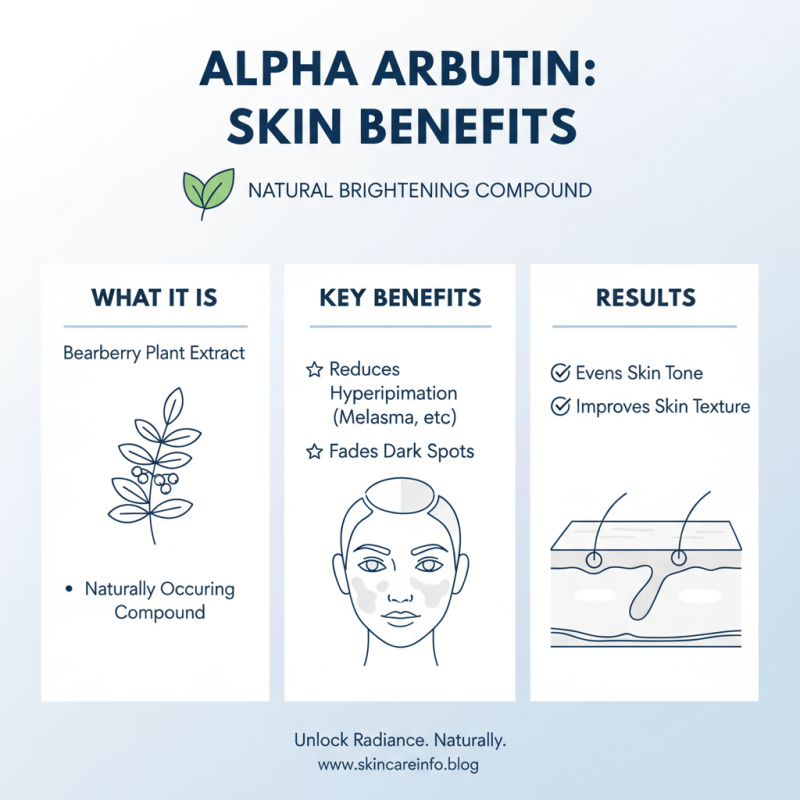
So, you know, melasma is pretty common, and a lot of folks out there struggle with dark patches on their faces. Lately, everyone seems to be curious about what treatments actually work. One question that pops up a lot is, 'Does Alpha Arbutin really help with melasma?' I chatted with Dr. Sarah Thompson, a well-known dermatologist at Skin Health Solutions, and she told me that Alpha Arbutin is actually quite a powerful ingredient when it comes to reducing hyperpigmentation and giving your skin a more even tone. That’s promising, right? It definitely hints that adding Alpha Arbutin to your skincare routine might be worth a shot.
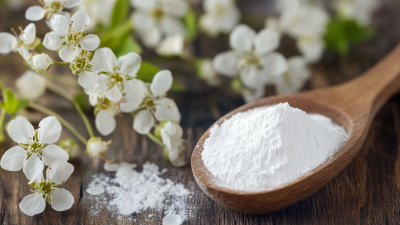
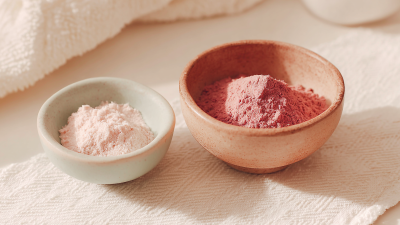
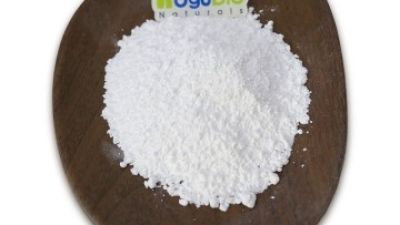
Now, about Alpha Arbutin — it’s derived from the bearberry plant, and people love it because it’s good at brightening skin without being harsh. It’s pretty popular right now, mainly because it works and is gentle. But here’s the thing — results can really vary from person to person. Some folks see changes pretty quickly, while others might need to be patient and wait. You can find Alpha Arbutin in different products, like the Alpha Arbutin powder, which makes it easy to try for yourself. Just a heads up, though — it can sometimes take a while to notice any real difference, which can be frustrating.
Even though there’s a good amount of research out there, questions about how effective Alpha Arbutin is in the long run still haven’t been completely answered. If you’re thinking about giving it a try, chatting with a skincare pro might be a good move — they can help you figure out if it’s right for your skin and how to use it best. Just remember, sticking with it and having patience are key. Over time, with consistent use, you might see your skin looking brighter and more even, but don’t expect overnight miracles. It’s all about taking it step by step and being realistic about the process.
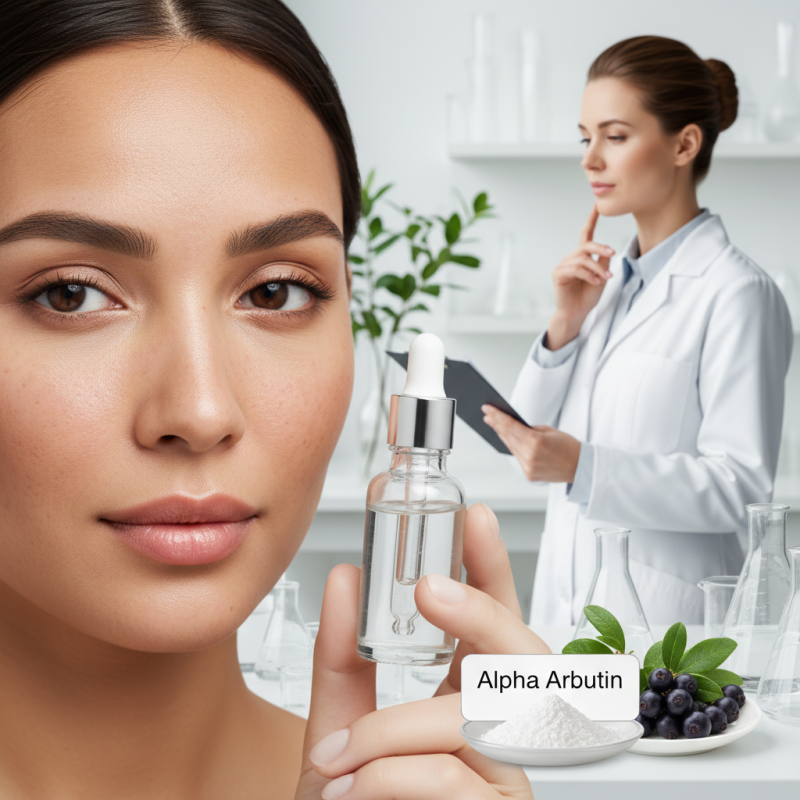
Understanding Melasma: Causes and Symptoms
Melasmais a common skin condition characterized by dark patches, primarily affecting the face. It often appears on the cheeks, forehead, and upper lip. Understanding its causes is crucial for effective maNAGement. Hormonal changes, like those duringpregnancy, can trigger melasma. Sun exposure can worsen these dark spots, making protection essential. Stress and certain medications may also contribute to its development.
Symptomsinclude irregular, brownish pigmentation. The patches can vary in size and intensity. Some individuals may feel self-conscious about their appearance. Diagnosing melasma typically involves a visual examination by a dermatology professional. Knowing that it’s not harmful can provide some relief. Skin care products containingAlpha Arbutin Powder may help lighten these patches over time. This ingredient works by inhibiting melanin production, potentially improving skin tone.
However, using Alpha Arbutin Powder should be done with care. Users sometimes experience irritation or uneven results. It's wise to start with a patch test. Regular application alongside sun protection can enhance results. Consistency is key, but patience is necessary— results may take time.
What is Alpha Arbutin and Its Benefits for Skin
Alpha arbutin is a naturally occurring compound derived from the bearberry plant. This ingredient is known for its skin-brightening properties. It helps reduce hyperpigmentation, making it especially useful for conditions like melasma. With the right approach, it can significantly improve skin tone and texture.
Many users find Alpha arbutin effective, but results can vary. Consistency is key when using this product. It's often recommended to apply it twice daily. Using Cosmetic Grade Alpha Arbutin Powder in serums or creams ensures high potency. Remember, patch testing is essential to avoid adverse reactions.
While Alpha arbutin offers many benefits, it’s not a one-size-fits-all solution. Some may not see immediate results. Patience is crucial in any skincare routine. With time and proper usage, the benefits of alpha arbutin can become apparent. It’s important to combine it with sun protection for optimal results.
How to Incorporate Alpha Arbutin in Your Skincare Routine
Incorporating alpha arbutin into your skincare routine can be a game changer for managing melasma. Start by selecting a serum containing alpha arbutin, as it is effective in lightening dark spots. Apply it after cleansing your face but before moisturizer. A small amount, about a pea-sized drop, is enough for your entire face.
Tips: Always conduct a patch test before applying new products. This helps to ensure your skin doesn't react negatively. Layering alpha arbutin with vitamin C can enhance its effectiveness. However, ensure you wait a few minutes between applications for better results.
Consistency is key. Use alpha arbutin daily for several weeks to see noticeable improvements. Remember that results may vary. Some people may experience slower results than others. Keep an eye on how your skin reacts, and adjust your routine accordingly. Regular use can lead to a more even skin tone, so be patient. Embrace the process and manage your expectations as you navigate your skincare journey.
Best Practices for Applying Alpha Arbutin on Melasma
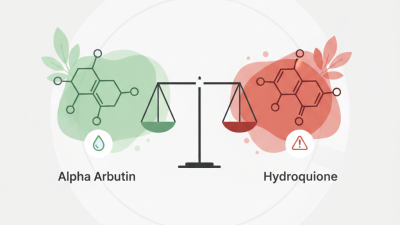
When treating melasma, the effective application of alpha arbutin is crucial. Studies indicate that alpha arbutin can effectively inhibit melanin production, offering a safer alternative to hydroquinone. For optimal results, incorporating alpha arbutin into your skincare routine is essential.
Start with a patch test to ensure skin compatibility. Apply alpha arbutin on clean, dry skin. It is best to use it at night. Layer it with a moisturizer or sunscreen during the day for added protection against UV damage. Research suggests that the Alpha Arbutin Powder Usage Rate should be between 0.5% to 2% for safe and effective results. This concentration can help minimize the appearance of dark spots without causing irritation.
Tips for maximizing effectiveness include consistent use over several weeks. Note that immediate results may not occur; patience is key. Always observe how your skin reacts. If irritation develops, reduce the frequency of application. Skincare is often a trial-and-error process, and individual responses can vary significantly. Tracking your skin's reaction to alpha arbutin will allow for adjustments, ensuring you get the best results.
Potential Side Effects and Considerations of Alpha Arbutin
When using alpha arbutin for melasma, understanding potential side effects is crucial. Some users report mild irritation or redness upon application. According to a study published in the Journal of Cosmetic Dermatology, about 16% of participants experienced these effects. Patch testing before full application can help mitigate risks.
In some cases, prolonged use of alpha arbutin may lead to uneven skin tone. While it is relatively safe for most skin types, heightened sensitivity can occur, especially in those with existing skin conditions. Data from clinical trials indicate the importance of monitoring tolerance when using products containing 99% Pure Alpha Arbutin Powder.
Additionally, individuals using high concentrations may encounter peeling or dryness. Keeping skin moisturized and hydrated can alleviate these issues. Remember, while alpha arbutin can be effective, everyone's skin reacts differently. Regular assessment and adjustment of your skincare routine are essential for achieving the best results without adverse effects.
Combining Alpha Arbutin with Other Ingredients for Better Results
Combining Alpha Arbutin with other ingredients can enhance its effectiveness in treating melasma. It's important to understand how these ingredients interact. For instance, Vitamin C can significantly boost the brightening effect of Alpha Arbutin. Both ingredients work together to inhibit melanin production. This combination can lead to a more even skin tone.
Another beneficial ingredient is Niacinamide. This powerful component has anti-inflammatory properties. It helps reduce redness while supporting the skin barrier. When used alongside Alpha Arbutin, users may notice improved skin texture and a reduction in dark spots. Many find their skin feels calmer and looks healthier after consistent use.
However, everyone's skin reacts differently. Patch testing is crucial before trying new combinations. Some may experience irritation, especially with potent formulations. It’s wise to introduce new ingredients gradually. Keeping a skincare journal can help track changes and reactions. This approach encourages reflection and personalized care.
Tips for Monitoring Progress and Adjusting Treatment Plans
Monitoring progress while using alpha arbutin for melasma is crucial. Skin changes can be subtle, requiring patience and close observation. Studies show that visible results can take 4 to 12 weeks. Regular assessments help track improvements and prevent frustration.
A weekly diary can be valuable. Record changes in pigmentation, skin texture, and response to treatments. Combine visuals with notes. For instance, photos from different angles can showcase progress.
It’s essential to communicate any unexpected reactions with a dermatologist. Research indicates that about 20% of users experience irritation, necessitating possible adjustments to the treatment plan.
Adjustments may involve varying concentration levels or frequency of application. If significant changes do not occur within 12 weeks, reconsider your approach. Consult with a skin expert to identify effective alternatives or complementary treatments.
Melasma requires a tailored strategy, and what works for one person might not work for another. Be prepared for trial and error, as effective treatment can be a journey.
Enhancing Hair Keratin: Insights from Recent Studies on Acetyl Tripeptide-30 Citrulline's Role in Hair Health
The role of acetyl tripeptide-30 citrulline in enhancing hair keratin has garnered significant attention in recent studies. This innovative peptide, with a molecular weight of approximately 487.5 g/mol and a chemical formula of C₂₀H₃₃N₇O₈, possesses unique properties that contribute to hair health. As a white to off-white fine powder, it is highly soluble in water, allowing for easy incorporation into various hair care formulations.
Recent research highlights acetyl tripeptide-30 citrulline's capability to stimulate hair growth and strengthen keratin structures, which are essential for maintaining hair's integrity and resilience. By promoting the synthesis of essential proteins within the hair follicle, this peptide can potentially reverse damage caused by environmental factors and aging. Its ability to enhance moisture retention further supports healthier hair by preventing brittleness and breakage, making it a valuable ingredient in hair care products aimed at rejuvenating and fortifying hair strands. Integrating acetyl tripeptide-30 citrulline into hair care routines can pave the way for achieving vibrant, robust hair.
FAQS
: Melasma is a common skin condition that causes dark patches on the face. It often appears on the cheeks and forehead.
Hormonal changes, sun exposure, stress, and certain medications can trigger melasma. Understanding these causes is important for management.
Symptoms include irregular brown patches of various sizes. These patches can affect self-esteem and confidence.
Start with a patch test. Apply on clean skin at night, and layer with moisturizer or sunscreen during the day.
The usage rate should be between 0.5% to 2%. This range can reduce dark spots effectively without causing irritation.
Yes, combining with Vitamin C or Niacinamide can enhance its effectiveness, leading to better skin tone and texture.
If irritation develops, reduce the application frequency. Skincare is often trial-and-error, and adjustments may be needed.
Consistent use over several weeks is necessary. Immediate results are unlikely; patience is essential for improvement.
No, melasma is not harmful. Knowing this can provide some relief while managing its appearance.
Conclusion
Melasma is a common skin condition characterized by dark patches, often caused by hormonal changes, sun exposure, or certain medications. To combat this, many skincare enthusiasts are interested in the benefits of alpha arbutin, a natural compound known for its skin-brightening properties. The article explores how to effectively use alpha arbutin for melasma, detailing its benefits, incorporation into skincare routines, and application techniques. It raises the essential question, "Does Alpha Arbutin Help With Melasma?" by discussing best practices, potential side effects, and how to combine it with other ingredients for enhanced results.
Incorporating alpha arbutin into your skincare can be beneficial, but monitoring progress and adjusting treatment plans is crucial for optimal results. By understanding melasma's causes and symptoms, individuals can tailor their approach to skincare and develop a regimen that addresses their specific needs, promoting a clearer and more even skin tone.